The high-voltage SiC MOSFET power modules enable high-frequency and high-efficiency power conversion. The parasitic inductances induced by traditional packages of this device technology significantly d.
[PDF]

On average, you can rent a Fusion Splicer for $275/day, $773/week, $1424/month. The price of these splicers can be higher because of their mechanical complexity and ability to handle various fiber types, including large-core fibers. Hybrid splicers bring in various features that are present in both automatic splicers and manual splicers. They can be aligned by the core. Fiber optic fusion splicers are critical tools for deploying and maintaining fiber networks, with significant variations in performance, features, and pricing. This guide breaks down the key cost-influencing factors across five dimensions—splicer types, technology, performance, accessories, and. A fiber optic splicing machine is a specialized machine used to fuse two optical fibers together to form one long one. The machine, also known as a fiber optic fusion splicer, uses electricity to melt the two optic cables into one. The fiber fusion splicer conducts the fusion with high accuracy to. Check each product page for other buying options. Get reliable equipment with fast splicing times and comprehensive accessories included. It features a mini handheld design, integrated buttons and touch screen, simple operation, low.
[PDF]

This section provides an overview for busbars as well as their applications and principles. Here are the top-ranked busbar companies as of May, 2026: 1. Chatsworth. Busbars also known as bus bars, barra electrica, or busbar electrical systems are essential components in modern electrical distribution. Whether used in industrial bus bars, EV charging, renewable energy plants, or building infrastructure, busbars offer compact, efficient, and safe current. High Voltage Busbars are critical components in electrical power systems, designed to conduct high voltage electrical currents efficiently and safely. They are used in substations, switchgear assemblies, and electrical distribution systems to connect different parts of the system and manage the. According to Mordor Intelligence, the busbar market was valued at USD 5. 3 billion in 2023 and is projected to reach USD 7. 5% during the forecast period. What. The global busbar market will expand at a great rate and reach USD 19. 24% between 2023 and 2033. The top companies in busbar market are Siemens AG, Connectivity, Mersen, Schneider Electric, Rogers Corporation, Legrand.
[PDF]
Diella is an system developed by the of Albania (AKSHI). Introduced in January 2025 as a integrated into the platform, it assists citizens with online public services and issuing digital documents. In September 2025, following a presidential decree authorizing Prime Minister to oversee the creation of a virtual AI mi.
[PDF]
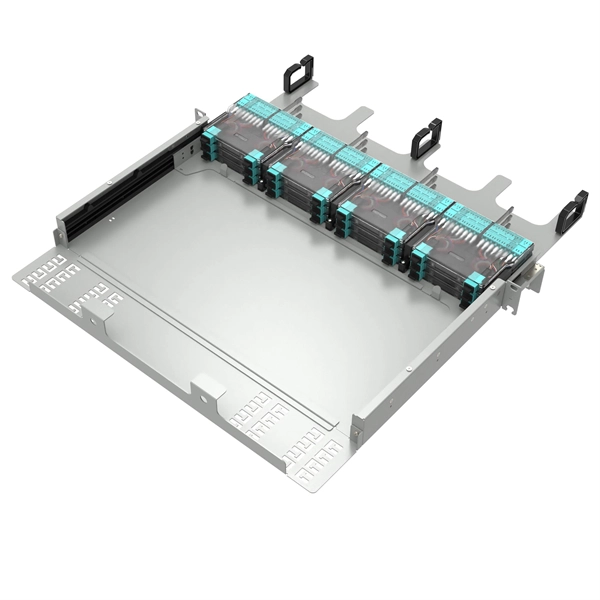
AI servers are high-performance systems specifically designed to process complex AI workloads, including model training and real-time inference. Apple has begun delivering Houston-made AI servers to its data centers nationwide ahead of schedule, a step in scaling its in-ecosystem AI while reshoring some of its manufacturing. They provide the hardware environment —. RedSwitches AI dedicated servers are architected from the ground up to support artificial intelligence workloads. Our infrastructure. At Google Cloud Next '26, we announced that more than 50 Google-managed Model Context Protocol (MCP) servers are generally available or in preview, with more on the way. Why it matters: To move beyond experimental prototypes, AI agents must be able to access real-world data and solve complex. Running AI models on a local AI server is one of the most empowering steps you can take in your AI journey. Instead of depending on cloud APIs, you can bring the intelligence directly onto your own hardware, which unlocks: Improved privacy and security: With locally hosted AI, your data never. Raghav Sethi began his tech writing journey in 2022, contributing to his college's open-source community blog. Later that year, he joined MakeUseOf, and since then has written extensively about Apple, Android, and AI. His work ranges from hands-on experiments to opinion pieces that explore the.
[PDF]

In part one of GIGABYTE Technology's latest Tech Guide, we explore the industry's most advanced cooling solutions so you can evaluate whether your data center can leverage them to get ready for the era of AI. 9 thermal guidelines applied to AI data center cooling — H1 high-density class, B200/GB200 implications, and what's coming in the next revision. Liquid. As Artificial Intelligence (AI) and High-Performance Computing (HPC) workloads drive rack densities beyond 50kW, traditional air cooling is reaching its physical and economic limits. Liquid cooling—specifically Direct-to-Chip (D2C) or Cold Plate technology—has emerged as the standard solution for. Modern AI accelerators have dramatically increasing power requirements, with TDPs rising from 300W (V100) to over 1,400W (MI355X) Heat Output = 700W × 0. 5W thermal BTU/hr = 696. Traditional air-cooling methods are struggling to keep pace with cooling the data center. Compute infrastructures for training large AI models are similar to high-performance computing (HPC) systems, which have long been used for demanding tasks in fields such as engineering, scientific research and finance. Industry insiders familiar with the natural progression of the modern data center will.
[PDF]
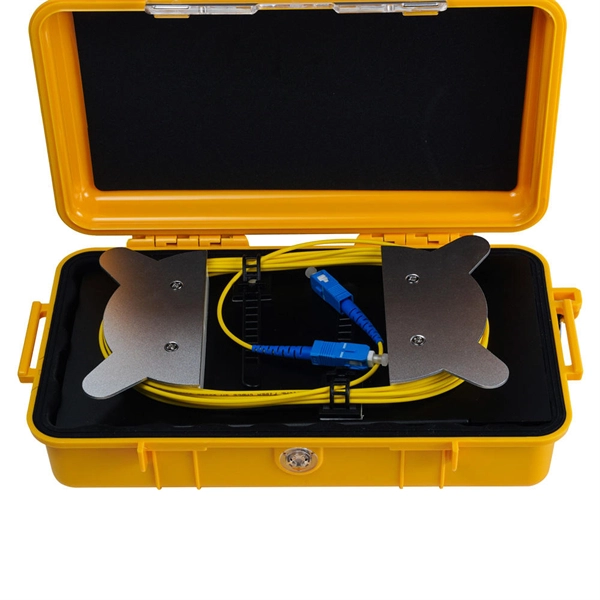
The AI Server Market Analysis highlights rapid deployment driven by rising adoption of AI-based workloads such as natural language processing, computer vision, and large-scale data modeling. Market Size by Server, by Hardware, by Cooling Technology, by Deployment, by Application, by End Use. A comprehensive report by Global Market Insights Inc. projects the global AI server market was valued at USD 128 billion in 2024. The market is expected to grow from USD 167. 16 billion by 2030, growing at a CAGR of 38. 7% from 2025 to 2030. Cloud computing and hyperscale data center expansion are driving the AI servers market growth. 73% during the forecast period. The AI Server Market represents a critical backbone of modern artificial. The AI server market is projected to reach USD 837. The growth of the AI server market is driven by the increase in data traffic and need for high computing power. I need the full data tables, segment breakdown, and competitive landscape for detailed regional analysis and. By 2030, AI server sales will grow even further, pushing the market to US$524 billion, representing an 18% Compound Annual Growth Rate (CAGR). Dell, Hewlett-Packard Enterprise (HPE), Inspur, and Lenovo are market leaders.
[PDF]

This qualitative inquiry discusses AI governance in Southeast Asia in the past 5 years and what regulatory policies ASEAN can explore to better modulate its use among its member states. Artificial Intelligence (AI) is a driving force behind ASEAN's ongoing digital transformation. With a rapidly expanding digital economy, AI is projected to contribute between 10% and 18% of the region's GDP by 2030 (Prilliadi, 2025). Among the most disruptive innovations is Generative AI, which. The sixth ASEAN Digital Ministers' Meeting (ADGMIN) held in Hanoi marked a pivotal transition for the region's technical landscape. Under the theme "Adaptive ASEAN: From Connectivity to Connected Intelligence," ministers from the 11 member states—notably including Timor-Leste's historic. onal standards. Recognizing that ASEAN countries are at “different stages of digital development,” the guide is intended to offer ASEAN member states a “flexible” approach to national policies on how to implement, design, develop, and deploy AI systems safely and responsibly, with an eye toward. Only six ASEAN Member States (AMS) have explicit artificial intelligence (AI) strategies, creating regional fragmentation in governance, data protection, and ethical safeguards. It considers the unique political landscape of the region, defined by the adoption of unique norms such as.
[PDF]

