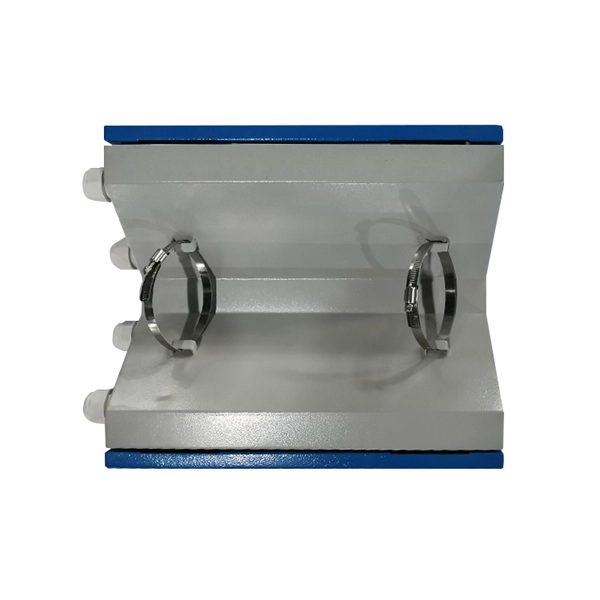
Strip the cable the required length, minimum 0. 5 meter or more, to establish easy and safe installation with enough buffer size. Pass the stripped cable into the upper side of the splice tray. Fix the cable strength member (3) on part (2) and stabilize with cable fixing part. To establish easy and safe installation put the box where it will be installed and measure the required length of the cable. 5 meter or more, to. Lockable Cable inputs: 2x 12mm - 16x Space for 1x16 SC splitter or 1x32 LC splitter 1. Cable fixing Instert the stripped cable through the cable entry port and fasten the FRP element(s) to the block. The outher coating should be fasten useing the steel hops. Do not fasten too. Stripping and preparing fibre optic cables for termination is a critical step in the installation and maintenance of fibre optic networks. Firstly, it is important to consider that when stripping multi-layer cables for connectorization, each layer must usually be stripped individually, as they all usually need to be stripped to different lengths. Cutting and stripping the cable jacket can be done with a special fiber stripper or a properly set wire stripper as long as it does. Whether it is indoor or outdoor fiber-optic (FO) cable, using a step-by-step approach reduces the chance of fiber damage while ensuring the performance of fibers. In our continuing discussion of installing FO cables, let's use a step-by-step approach in detailing how to strip and clean indoor and.
[PDF]

This report presents a comprehensive overview of the Kazakhstani singlemode optical fiber cables market, the effect of recent high-impact world events on it, and a forecast for the market development in the medium term. In this blog, I will discuss the fiber optic cable distance, the effect factors, how to choose the right fiber optic cables, and how to compare the transmission distances of single-mode and multimode fiber optic cables. Let's dive deeper together! What Factors affect the fiber optic cable distance?. Fiber optic cables are the backbone of modern telecommunications infrastructure, enabling high-speed data transmission across vast distances with minimal signal loss. Product Categories: • Aerial • Duct • Direct Buried • Microduct Indoor/Outdoor fiber optic cables are flame-retardant (FR) cables. Optictelecom group of companies works on Kazakhstan market since 2003 and became a partner of key local telecom providers and biggest national companies: Kazakhtelecom JSC, KazTransCom JSC, Transtelecom JSC, TNS Plus LLC, KCELL JSC, KEGOC JSC, Intergas Central Asia JSC, NC Kazakhstan Temir Zholy. JSC Kazenergokabel was established in accordance with the Decree of the President of the Republic of Kazakhstan “On the Development and Conversion of the Defense Industry”, the program for the development of processing industries, approved by the Cabinet of Ministers of the Republic of Kazakhstan.
[PDF]
Genuine FTTH outdoor fiber optic cable, 4-core, 1000M length, LSZH jacket. Perfect for long-distance high-speed fiber networks. 1-year warranty. From design to deployment — fully integrated fibre manufacturing in Algeria, ensuring consistent quality, reliable delivery and secure supply across Africa and the Middle East. Algerian-based vertically integrated production from optical fibre preform to finished cable assemblies. Full control over. We have established a $20 billion operation in Algeria, covering many areas of the energy market, from production and distribution to energy transport and investment in renewable energies. Export countries Italy, Equatorial Guinea, Chile, Qatar, Egypt, Jordan, Saudi Arabia, Spain, Bahrain, Tunisia. GENUINE offers a comprehensive product lineup that aims to “Upgrade Your Life. in up to 24 fibres and have an all-dielectric loose tube construction. It shall be suitable for indoor applications, complying with IEC standards for l w smoke / zero halogen and EuroClass Cca and B2ca for fire protection. It s all be water-blocked and UV resistant for use in outdoor environments. applications.
[PDF]

Cable trays are mechanical support systems that provide a rigid structural system for electrical cables, raceways, and insulated conductors used for electric power distribution, control, signal instrumentation, and communication. Cable trays are used as an alternative to open wiring or electrical conduit systems, and are commonly used for cable management in. maintain spacing or to keep cables in place when the tray is ect the minimum bend ra-dius for cables as they exit the bottom of the cable tray. Metal cable trays are made of galvanized steel, stainless steel, and. The modern world relies heavily on electrical and communication cables that must be managed and supported across vast distances in commercial and industrial settings. A cable tray is an organized support structure designed to secure and route these insulated electrical cables. It acts as a. For safe application, observe the following: WARNING To prevent from shock, short-circuits or damage, observe the following: • Be sure the power is disconnected before replacement (fuse exchange, etc. • Use this product in a properly maintained condition. (Replace or repair if the body. What is a cable tray? A cable tray is a metal or non-metal structure used to lay electrical cables and wires, serving to support, protect, and guide the cables. What is the role of a cable tray in electrical engineering? A cable tray allows for the neat and aesthetic arrangement of cables.
[PDF]
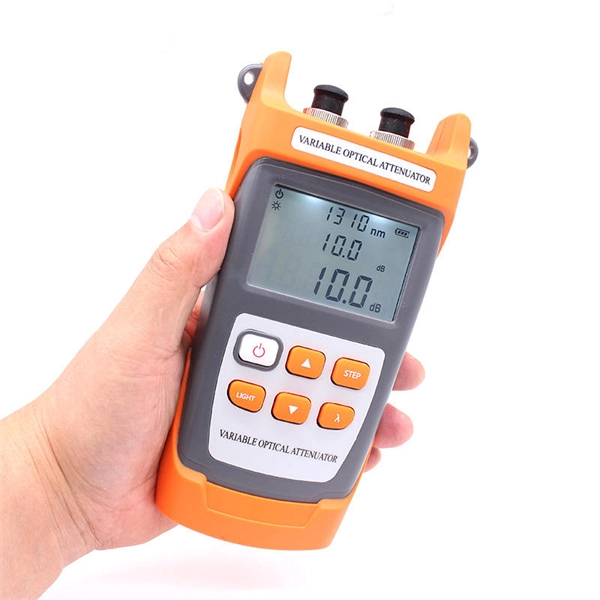
Calculate end-to-end loss from cable length, connector and splice counts, and known component losses; verify with a light source + power meter (OLTS). If installed loss exceeds design, reduce connection points, rework poor splices, or use optics with better. This document presents a troubleshooting guide for fiber optic cables once deployed and in regular use. It also includes a list of common fault location items. How to troubleshoot: measure. Fiber optic networks are celebrated for their speed and reliability, but even the best systems can encounter problems. When issues like signal loss, slow speeds, or intermittent connectivity arise, systematic troubleshooting is key. These high-speed, high-capacity communication networks are increasingly replacing copper cables, offering superior performance and. Fiber optic troubleshooting is the systematic process of identifying, diagnosing, and resolving problems within fiber optic communication networks. These networks are the backbone of modern data transmission, offering incredible speeds and bandwidth. However, even the most robust systems can. Fiber optic cables are the backbone of today's high-speed communication networks, powering everything from FTTH broadband to data centers. However, like any technology, fiber optic systems can encounter issues that affect performance. Understanding the common causes and solutions helps maintain.
[PDF]
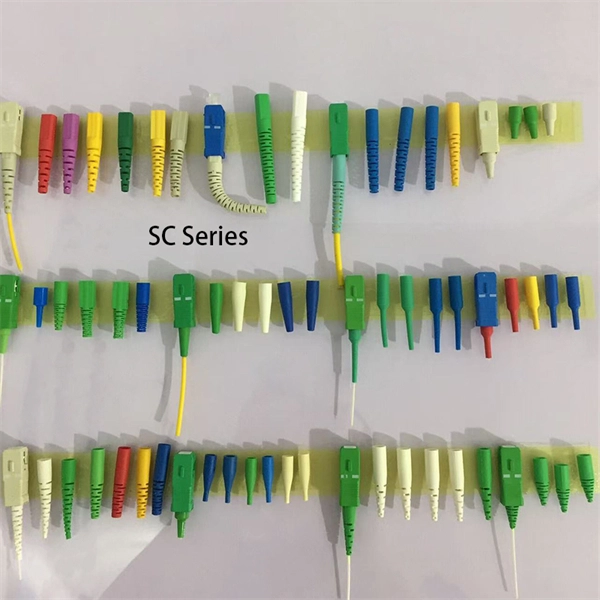
This video goes over common types of connectors, their respective adapters, and how to properly connect and disconnect them. more Are you interested in seeing how fiber optic connectors get. Unplugging a fiber jack, also known as a fiber optic connector, is a delicate process that requires attention to detail and proper handling to ensure the integrity of the fiber optic cables and connectors. Fiber optics are used in a variety of applications, including telecommunications, internet. If you're wondering how to remove fiber optic cable from connectors, there are a few different ways to do it. You need to know which connector is the correct one for the cable and what kind of wire it's made of. You can also use shears or wire cutters to cut through the connector. This article. Fiber optic connectors are essential components in fiber optic networks, providing a reliable connection between cables and equipment. Removing these connectors requires care to avoid damaging the delicate fibers or the connector itself. To connect a fiber optic cable to SFP optical module, first ensure the SFP is fully inserted into the network port until it "clicks", then remove the dust caps from both the SFP and the LC fiber optic connector.
[PDF]
The answer is yes, and it's a practice widely used in the industry to distribute signals to multiple destinations without degrading the signal quality significantly. This article delves into the methods, benefits, challenges, and practical applications of splitting fiber lines. In principle, an optical cable can be split, but it's not as simple as just cutting the cable and attaching multiple devices. There are two primary methods of splitting an optical cable: Passive splitting involves using a specialized device called an optical splitter. This device takes the incoming. A fiber optic splitter is a passive optical component that divides a single incoming optical signal into two or more outgoing signals, or combines multiple incoming signals into one. What is Fiber Line. An optical splitter, also known as a beam splitter, fiber splitter, or fiber optic splitter, serves as a vital passive component in optical communication systems. Its primary function is to split the optical signal of one input optical fiber into multiple optical signals and transmit them to. An MPO breakout cable is a fiber optic cable designed to split a single multi-fiber connection into multiple separate connections. Fiber optic splitters have applications such as Fiber to the Home (FTTH) and Passive.
[PDF]
The Israeli cable trays market is a critical component of the nation's industrial and construction infrastructure, serving as the backbone for organized and secure cable management across diverse sectors. As of the 2026 analysis, the market is characterized by steady demand driven by sustained. A cable tray is an organized support structure designed to secure and route these insulated electrical cables. It acts as a dedicated pathway for power distribution and data transmission, often supporting cables hidden behind walls or above ceilings. People use them in many buildings and work places to give cables a steady place to run. Cable trays come in different types: Materials: They can be metal (like steel with a coating, or stainless steel), plastic (like. In the electrical wiring of buildings, a cable tray system is used to support insulated electrical cables used for power distribution, control, and communication. When properly selected and installed, cable trays simplify routing, improve accessibility, and support future expansion while. Metal cable trays are widely used in demanding industrial settings to support, organize, and protect extensive cabling systems, ensuring efficient and safe power and data distribution. Their robustness and adaptability make them essential in sectors where conditions can be extreme, compliance with.
[PDF]
Find Ecuadorian optical fiber cable joint closure importers on ExportHub. Our team of fiber optic specialists is always available to provide expert advice and tailored solutions, ensuring you get the best connectivity for your needs. LatamFiberHome designs and produces a wide range of optical cables for indoor, outdoor and all kinds of cable structures under customer requirements. At the same time it has a complete set of test equipment to ensure that the cable produced meets international standards and customer requirements. According to the structure can be classified into the dome (vertical) and horizontal (half) two kinds of cable splice closure. Nortra Cables offers custom cable and wire harness design assistance, prototyping and manufacturing services for medical, computer, communications, industrial, and electromechanical applications. Some types of manufactured assemblies include: Loom Harnesses, Box Builds, Prototyping, Coaxial Cable. OPTICALFIBRE CABLES OF EXTENSION CORDS IN 30 PALLETS NET WEIGHT 14843, 50 KG/ 32723, 68 LBS GROSS WEIGHT 15318, 50 KG/ 33770, 85 LBS. The companies listed above have not approved or sponsored Panjiva's provision of any of the information in these.
[PDF]
Made from recycled high strength steel or aluminum – a green solution, our trays are reusable and reclaimable. Do not require field fabrication – hand-bendable trays easily work around obstacles, or.
[PDF]

1: Use kevlar scissors to cut the cable at the middle. We'll splice the two pieces back together in an exercise and put new connectors on the bare ends in another exercise. Marcel Buijs, EMEA Business Development, Technical Sales, Fiber Optic Center, Inc. with over twenty-five years in the photonics industry, brings the latest information on making the ultimate fiber optic product and improving process yield. Without question, good stripping techniques in your fiber. Use the Wire Stripper/Splitter to strip a variety of fiber optic and coaxial cables up to 14 mm in diameter. This stripping tool provides a comfortable and secure grip to help make the fiber stripping process easy and efficient. In our continuing discussion of installing FO cables, let's use a step-by-step approach in detailing how to strip and clean indoor and. An Optical Fiber Stripper is arguably the most fundamental hand tool for any technician working with fiber optic networks. In an industry where precision is not just a goal but a requirement, the quality of your stripping tool directly impacts signal integrity, network reliability, and overall. Optical fibers are typically protected with fiber coatings made from polymers such as acrylate, silicone or polyimide. For splicing, connectorization or other processing, these coatings must be removed. Fiber strippers are precision tools that reliably and cleanly remove a defined length of coating. Safety Rules - Read before beginning any exercises.
[PDF]
In the single mode vs. multimode fiber debate, there is not one cable that's the best, but there are some that are better suited to certain situations. If you need to run fiber optic cable over a vast distance, there's.
[PDF]

In a fused fiber splitter, the input fiber is aligned with the fused region, which causes the optical power to be divided between the output fibers. The tapering process gradually guides the light from the input fiber to the output fibers, resulting in a proportional split of the. A fiber-optic splitter, also known as a beam splitter, is based on a quartz substrate of an integrated waveguide optical power distribution device, similar to a coaxial cable transmission system. The optical network system uses an optical signal coupled to the branch distribution. It plays a crucial role in enabling multiple devices to share a single fiber optic connection, maximizing the utilization of the available. Essentially, a fiber optic splitter performs the following actions: Light Enters: Light travelling through a fiber optic cable enters the splitter. Passive Separation: Inside the splitter, the light is split into multiple separate beams using optical components. Conversely, it can also combine multiple signals into one. Its primary role is in Passive Optical Networks (PON), which are the foundation of. A fiber optic splitter is a passive optical component that divides a single incoming optical signal into two or more outgoing signals, or combines multiple incoming signals into one. However, modern splitters can have multiple inputs and outputs, allowing for the distribution of a single signal to dozens of receivers. The internal workings of a passive.
[PDF]

