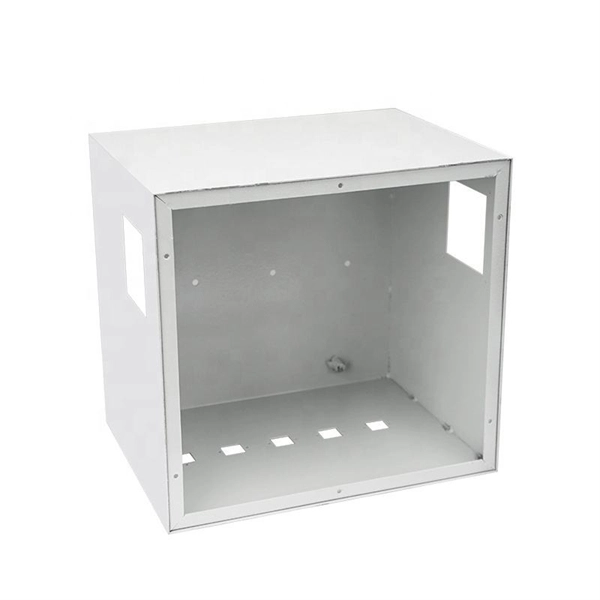
A distribution box is used to receive electrical power from a main supply and distribute it to multiple branch circuits in a safe and controlled way. It helps protect circuits, organize electrical connections, and improve maintenance efficiency. Distribution. The distribution box (DB box) helps safely and efficiently distribute electrical power. Today, electrical systems are essential for homes and industries. But what exactly is a power distribution box, and why is it so essential in our daily lives? The DB panel board controls the flow of electricity. For procurement professionals, electrical contractors, and project managers, choosing the right Distribution Box (DB Box) is a critical decision that directly impacts system safety, reliability, and long-term operating costs. This ultimate guide explains what a distribution box does, its internal. A distribution box, also known as a distribution board, electrical panel, or breaker box, is an enclosure that houses electrical components responsible for distributing electricity throughout a building. They give more power and help machines work well. Tip: If you have big machines or a large building, you probably need a 3-phase box. The Main Distribution Board is the main part of your electrical system. It connects to the main power supply. It integrates power distribution, protection, and monitoring capabilities, and is responsible for distributing power to entire commercial or residential.
[PDF]
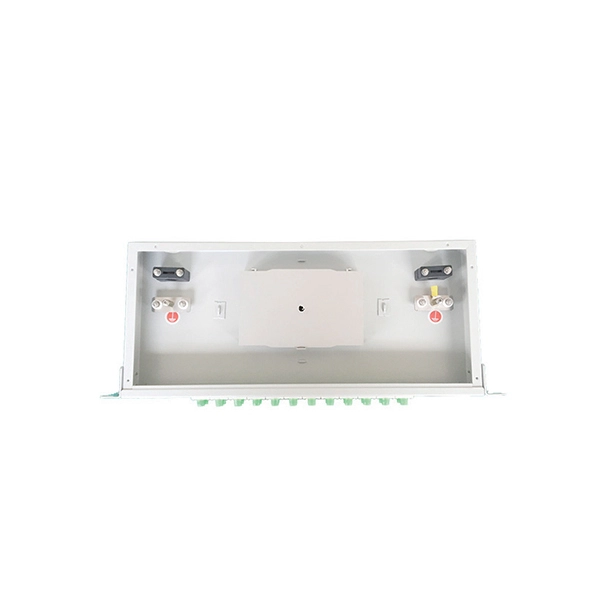
There is no internal separation within the switchgear. All components, including busbars, circuit breakers, and terminals, are installed within a single compartment. Though it is cost effective and compact, suitable for low risk installations, but it provides limited safety and. Forms of internal separation define how a low-voltage switchgear and controlgear assembly is divided into internal compartments by means of barriers or partitions. Terminals not separated from the busbars Terminals separated from the busbars (separation of the busbars from the functional units + separation of the functional units from each other) Terminals not separated from the busbars Terminals separated from the busbars ( (separation of the busbars from. Segregation levels in LV boards are categorized into four main forms, as specified by IEC standards: This basic form has no separation between functional units, busbars, or terminals. It is the simplest and least costly design but offers minimal safety and maintenance advantages. In practice, what this implies is that busbars, control units, and cable terminations all occupy the same space in the switchboard enclosure. The only separation is the external metal or. In low voltage switchgear, an internal separation form refers to the physical separation between bus bars, functional units, and terminals. These separations are achieved using barriers or partitions.
[PDF]

Since there are two sections, separated by a circuit breaker, the fault on one section does not interrupt the other section of the bus. Maintenance of the bus section can be done individually, without affecting other. Variants include a sectionalized single bus, where one or more bus couplers divide the bus into segments to limit the extent of outages. Layout: one energized bus; each feeder/generator/transformer bay has a breaker and isolators. Sectionalization adds a bus coupler breaker and isolators to split. The relevant standard for High Voltage Switchboards is 62271-200. This standard covers High Voltage Switchboards with voltage levels above 1kV and up to 52kV. It is also used in small outdoor stations having relatively few outgoing or incoming feeders and lines. shows the single bus-bar system for a typical power station. The generators, outgoing lines and. Bus-bars are copper rods or thin walled tubes and operate at constant voltage. We shall discuss some important Bus Bar Arrangement in Power Station and sub-stations. All the diagrams refer to 3-phase arrangement but are shown in single-phase for simplicity. Single Bus-bar System: The single. This is a single bus system, with additional circuit breaker and isolators, making two different sections of bus, hence called a single bus system with bus sectionalizer. A busbar is a metal bar, usually made of copper or aluminum, that carries electricity inside switchgear.
[PDF]