
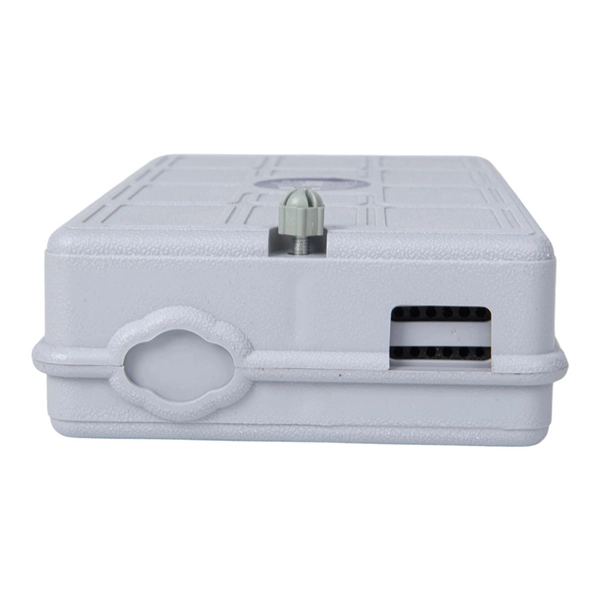
Optical Network Terminals (ONTs): Often called "fiber boxes," ONTs are located inside homes and connect the fiber optic cable to the internal network. They receive the optical signal from the external fiber optic cable and convert it into a usable signal for home networking equipment. A fiber optic junction box, also known as a fiber optic distribution box or termination box, is a protective enclosure that facilitates the connection and management of fiber optic cables. It serves as a central point for organizing and distributing optical fibers, ensuring efficient connectivity. A Fiber Terminal Box (FTB) is a customer-side termination and distribution device used at the end of the optical network. Key Functions Typical Applications ZION FTB Highlights In essence: The Fiber Terminal Box is an end-user termination device for small-scale distribution. ■ What Is a Fiber. Fiber junction boxes play a crucial role in the organization, protection, and distribution of fiber optic cables in various applications, including telecommunications, data centers, and industrial networks. Primary Purpose: Its core function is to provide a secure, protected location. To handle a large number of optical fibers with lower cost and higher flexibility, various optical junction boxes are widely used to connect and arrange optical fibers. The distribution box provides.
[PDF]

Because fiber optic cables don't come in one continuous length, sections must be joined together through splicing. This process fuses two glass strands so light signals can travel through them without interruption. Below is a detailed look at each step of fiber optic network construction, including key terms and methods used across the industry. Engineers and. We are experts in the installation and use of fiber optic cable to residences, apartment buildings, businesses and cell sites. We complete complex construction projects consisting of aerial and underground deployments in varied, often difficult, working environments. Our services include everything. The Fiber Optic Association, Inc. (FOA) was founded in 1995 to help develop the workforce to build the fiber optic networks to support a rapid expansion in communications and the Internet. Delivers state-of-the-art fiber optics solutions by developing high-tech equipment and subcontractor expertise. Utilizes state-of-the-art technologies to splice a wide variety of different. This recommended practices document is a comprehensive manual for optical fiber construction and testing. Sections are included for project management; cable handling, testing and equipment; overhead cable placement; underground cable placement; underground enclosures; bonding and grounding; cable. 4. FO-VC2 JOINT USE - VERICAL MIDSPAN CLEARANCES 48. FO-GB GROUNDING AND BONDING 49.
[PDF]

The cost to install fiber optic cable ranges from $1. 50 to $42 per foot, with installation costs accounting for 60-80% of total project expenses. According to the Fiber Broadband Association's 2025 report, median costs are $8 per foot for aerial builds and $18 per foot for. Understanding the costs of fiber optic cable is a top concern for businesses planning network infrastructure upgrades. Whether you're expanding your data center, connecting multiple buildings, or future-proofing your connectivity, accurate pricing information helps you budget effectively. With 19+. Whether you're running fiber to a home or a data center, here's exactly what contractors are charging in 2026. fiber projects, we've assembled current material rates, labor burdens, and hidden fees. This guide presents typical price ranges in USD to. Fiber optic cable installation costs between $1,500 and $7,000 for your home, with prices varying by cable length and installation method. The installation type you choose and the layout of your property determine the total labor and materials needed for your project. Cost data covers project ranges and per unit estimates to help buyers budget for fiber installations, whether.
[PDF]
Fiber optic construction is a rapidly growing field in the United States, driven by the increasing demand for high-speed internet and data transmission. This guide provides a comprehensive overview of the process, from planning and permitting to installation and testing. Ervin Cable Construction, LLC (“ECC”) delivers quality turnkey services to multiple cable, energy, and communications companies. At Ervin Cable Construction, we are continuously expanding our capabilities within the industry. ECC has been operated by the same family since its humble beginnings in. The Fiber Optic Association, Inc. (FOA) was founded in 1995 to help develop the workforce to build the fiber optic networks to support a rapid expansion in communications and the Internet. The charter of the FOA was to promote professionalism in fiber optics through education, certification, and. Fiber Technologies Solutions, LLC ("Fiber Tech") provides a wide range of services to both telecommunications and cable providers across the U. FiberTechs is a full-service fiber optics telecommunications contracting company. It is designed to help. FO-CS JOINT USE CLIMBING SPACE REQUIREMENTS 51. APPENDIX A - COVER SHEET / TOC 52. RUS DRAWING #PM12 58.
[PDF]

Fiber optic cable pole brackets and hooks refer to the equipment used for mounting and securing fiber optic cables on utility poles or other vertical structures. (FOA) was founded in 1995 to help develop the workforce to build the fiber optic networks to support a rapid expansion in communications and the Internet. The charter of the FOA was to promote professionalism in fiber optics through education, certification, and. Indoor fiber optic cable uses tighter buffers and routes through conduits or trays. Outdoor fiber optic cable has rugged jackets, gel-filled or water-blocking layers, and armor to resist moisture, rodents, and temperature swings. You install indoor cables in controlled environments. Outdoor fiber. 4. FO-VC2 JOINT USE - VERICAL MIDSPAN CLEARANCES 48. FO-GB GROUNDING AND BONDING 49. FO-RI JOINT USE RISER. Our Fiber Optic Mounting Hardware category includes essential components designed to secure, organize, and protect fiber optic cables and equipment. Proper mounting hardware is crucial for efficient cable management, strain relief, and long-term network stability. However, installing fiber cables in outdoor environments exposes them to harsh weather conditions such as rain, thunderstorms, and freezing temperatures.
[PDF]

The Optical Time Domain Reflectometer (OTDR) is useful for testing the integrity of fiber optic cables. It can verify splice loss, measure length and find faults. The OTDR is also commonly used to create a "picture" of fiber optic cable when it is newly installed. The Contractor tasked to perform testing or splicing on any fiber optic cable will follow these testing standards to fulfill their contractual obligations. The Contractor must utilize the correct equipment and testing techniques to gain acceptance, or the work cannot be approved. Later, comparisons can be made. For every fiber optic cable plant, you will need to test for continuity, end-to-end loss and then troubleshoot the problems. If it's a long outside plant cable with intermediate splices, you will probably want to verify the individual splices with an OTDR also, since that's the only way to make. ic system. Fiber optic testing of a newly installed system not only verifies that the system meets its design requirements, but also creates a performance baseline for all future testing and troubleshooting of t at system. What is Fiber Optic Splicing and Why is it Needed? – #1. Use and Maintain Your. This guide reveals the secrets to fusion splicing with little fluff—just proven, straightforward techniques refined from years of work in the field. The guide provides the complete workflow, covering safety precautions, tool selection, fiber preparation, fusion operation, quality control, and.
[PDF]
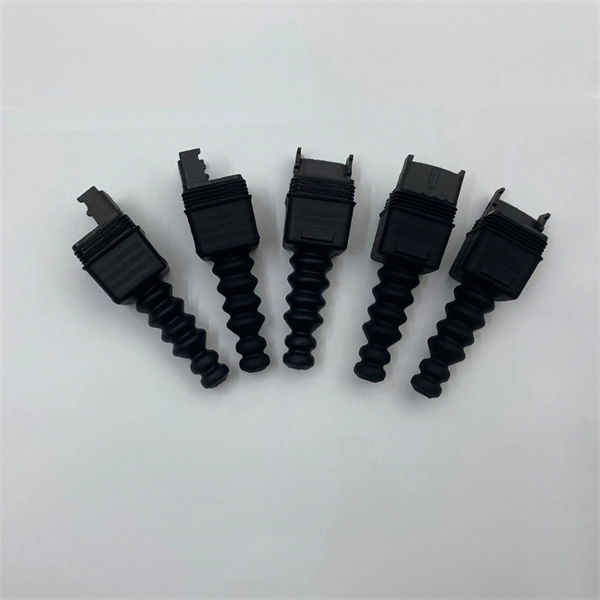
Fiber core manufacturing involves preform creation using chemical vapor deposition, followed by precision drawing at 2000°C temperatures with real-time diameter control and protective coating application. Getting into fiber core manufacturing 1 feels overwhelming at first. Single-mode fiber represents the pinnacle of long-distance optical transmission technology. With its precisely engineered small core diameter, SMF enables crystal-clear data transmission across vast distances. The technology is. The ultra-fast internet you rely on every day is made possible through fiber optic cables which are thin strands of glass or plastic. However, you know they go through an extremely complex manufacturing process involving advanced technology, extreme temperatures, and thorough testing. Let's take. Fiber optic cables are a crucial component of modern telecommunications and data transmission systems. Fiber optic technology has revolutionized the way information is transmitted, offering numerous advantages over traditional copper wiring. What makes fiber optic cables special is their ability to. The fiber optic cable core is the fundamental material at the heart of fiber optic cables, enabling the transmission of light signals for high-speed data communication in fiber optic technology. As the primary component that carries light within a fiber optic cable, the fiber optic cable core is a.
[PDF]

President Ibrahim Mohamed Solih highlighted on Friday the importance of connecting the country to the international fibre cable system, stating that it is a crucial step in establishing the Maldives as a hub for technology and innovation. The President's remarks at the inauguration of the Ocean. Today, we're announcing Dhivaru, a new Trans-Indian Ocean subsea cable system that will connect the Maldives, Christmas Island and Oman. This investment will build on the Australia Connect initiative, furthering the reach, reliability, and resilience of digital connectivity across the Indian Ocean. A new domestic Maldivan subsea cable from Dhiraagu and Ooredoo has landed on the island of Hulhumalé in the North Malé Atoll. Dubbed the Domestic Submarine Cable of Maldives (DSCoM), the telecommunications cable has five segments and will connect eight islands in the Maldives including Hulhumale'. Huawei Marine today announced that it has partnered with Ooredoo Maldives to deploy a Nation-wide Fiber Optic Submarine Cable, which will support the country's broadband policy and give the Maldives the most advanced ICT infrastructure in the SAARC region. The nationwide submarine cable utilizes.
[PDF]

Technical Fiber Optics Lines Factory (TechLine) is a big factory was established in Jordan in 2016 located in Al Qastal industrial area in Amman. It is ISO 9001:2008 certified with a scope distinction of being first of its kind in the Middle East region. It strives to become one of the leading. Techline offers a complete range of Fiber optic passive equipment ranging from FDT, joint closures, enclosure boxes, distribution boxes and frames, and indoor/outdoor fiber cables to be used inside the network from the Central Office to the user. Products are designed for easy installation with the. APAR's Fireoproof Fibre Optic cables are specially designed cables for complying specific fire standards. Fireoproof cables are suitable for communication networks across all emergency systems and other key equipment where fire safety is of utmost importance and are available in customised designs. When a fire breaks out in a data center or a high-rise building, the cabling in your walls acts in one of two ways: The Fuse: It melts, drips, and carries the flame from room to room. The Barrier: It self-extinguishes and stops the spread of toxic smoke. Choosing the right Fire-Resistant Fiber. All feature a corrugated steel tape armour for protection from rodents, a central loose tube construction and internal/external LSZH (Low Smoke Zero Halogen) sheath. The outer sheath is black with a red stripe for easy identification and also provides UV stability. A key feature of the Draka.
[PDF]
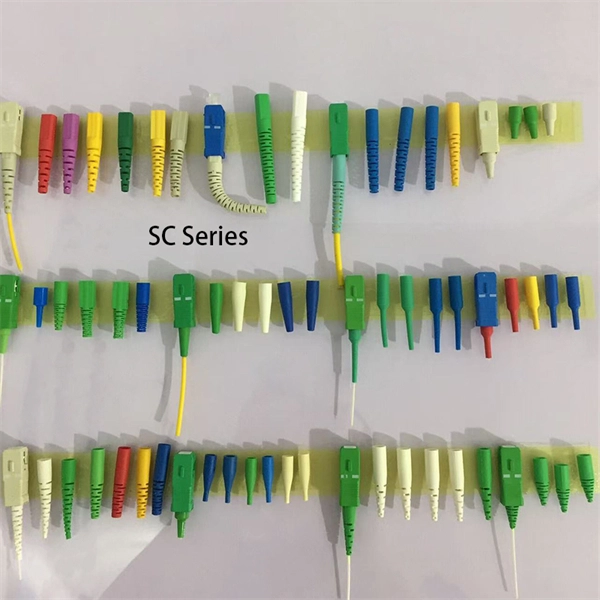
This video goes over common types of connectors, their respective adapters, and how to properly connect and disconnect them. more Are you interested in seeing how fiber optic connectors get. Unplugging a fiber jack, also known as a fiber optic connector, is a delicate process that requires attention to detail and proper handling to ensure the integrity of the fiber optic cables and connectors. Fiber optics are used in a variety of applications, including telecommunications, internet. If you're wondering how to remove fiber optic cable from connectors, there are a few different ways to do it. You need to know which connector is the correct one for the cable and what kind of wire it's made of. You can also use shears or wire cutters to cut through the connector. This article. Fiber optic connectors are essential components in fiber optic networks, providing a reliable connection between cables and equipment. Removing these connectors requires care to avoid damaging the delicate fibers or the connector itself. To connect a fiber optic cable to SFP optical module, first ensure the SFP is fully inserted into the network port until it "clicks", then remove the dust caps from both the SFP and the LC fiber optic connector.
[PDF]
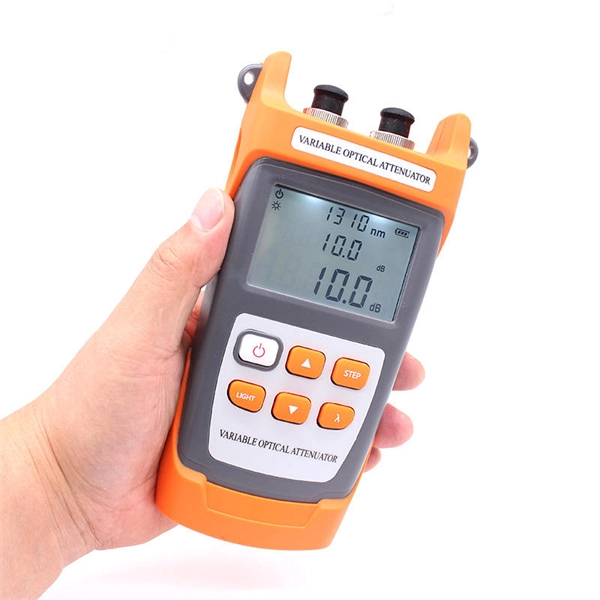
Calculate end-to-end loss from cable length, connector and splice counts, and known component losses; verify with a light source + power meter (OLTS). If installed loss exceeds design, reduce connection points, rework poor splices, or use optics with better. This document presents a troubleshooting guide for fiber optic cables once deployed and in regular use. It also includes a list of common fault location items. How to troubleshoot: measure. Fiber optic networks are celebrated for their speed and reliability, but even the best systems can encounter problems. When issues like signal loss, slow speeds, or intermittent connectivity arise, systematic troubleshooting is key. These high-speed, high-capacity communication networks are increasingly replacing copper cables, offering superior performance and. Fiber optic troubleshooting is the systematic process of identifying, diagnosing, and resolving problems within fiber optic communication networks. These networks are the backbone of modern data transmission, offering incredible speeds and bandwidth. However, even the most robust systems can. Fiber optic cables are the backbone of today's high-speed communication networks, powering everything from FTTH broadband to data centers. However, like any technology, fiber optic systems can encounter issues that affect performance. Understanding the common causes and solutions helps maintain.
[PDF]
A blinking red light on a ZTE WiFi 6 router typically indicates that the router is powered on but isn't receiving an internet signal from the fiber line, or the connection hasn't been fully activated by the provider. First, check the physical connection between the. This guide will walk you through what the LOS light means, why it blinks red and step-by-step instructions on how to resolve the issue, including resetting your router. NSI-79750LW Round Indicator Light with Non Replacable Lamps, Press Fit, 0. 5" Panel Cutout, 0. uxcell 2Pcs Red Green Indicator Light. That blinking red LOS light means your router has lost its connection to your internet provider's network. Before you panic or call tech support, there are several simple fixes you can try at home that often solve this problem in minutes. The LOS light on your router stands for “Loss of Signal. Understanding the possible causes and fixes for this issue is crucial to getting your connection back on track. We will explore common reasons behind the solid red.
[PDF]

In a fused fiber splitter, the input fiber is aligned with the fused region, which causes the optical power to be divided between the output fibers. The tapering process gradually guides the light from the input fiber to the output fibers, resulting in a proportional split of the. A fiber-optic splitter, also known as a beam splitter, is based on a quartz substrate of an integrated waveguide optical power distribution device, similar to a coaxial cable transmission system. The optical network system uses an optical signal coupled to the branch distribution. It plays a crucial role in enabling multiple devices to share a single fiber optic connection, maximizing the utilization of the available. Essentially, a fiber optic splitter performs the following actions: Light Enters: Light travelling through a fiber optic cable enters the splitter. Passive Separation: Inside the splitter, the light is split into multiple separate beams using optical components. Conversely, it can also combine multiple signals into one. Its primary role is in Passive Optical Networks (PON), which are the foundation of. A fiber optic splitter is a passive optical component that divides a single incoming optical signal into two or more outgoing signals, or combines multiple incoming signals into one. However, modern splitters can have multiple inputs and outputs, allowing for the distribution of a single signal to dozens of receivers. The internal workings of a passive.
[PDF]