
While a cut or damaged fiber optic cable can temporarily take your network down, it is possible to quickly fix the cable with the right tools. This wikiHow article will teach you how to splice a cut fiber optic cable back together with a fiber optic stripper and cutter and a fiber. To connect your fiber optic cable to a router, ensure you have the following: Fiber optic modem (ONT): Most fiber connections require an Optical Network Terminal (ONT), provided by your ISP. Compatible router: Verify that your router supports fiber optic input (look for an SFP or WAN port labeled. The fiber optic cable does not plug directly into a standard home router because the signal type must be translated. The fiber line terminates at the Optical Network Terminal (ONT), which is typically supplied and installed by the internet service provider. This specialized equipment serves as the. The process to connect fiber optic cable to router requires careful attention to detail, but I'll walk you through every critical step with the precision and clarity you deserve. Here's a step-by-step guide to help you through it. Understand the Basics Before diving in, familiarize yourself with the components involved:. See you soon! 🚀 How to connect a fiber optic cable to the router. Check compatibility: Before you begin, make sure your router supports fiber optic connection. Not all routers can connect directly to a fiber cable, so it is important to verify this information before continuing.
[PDF]
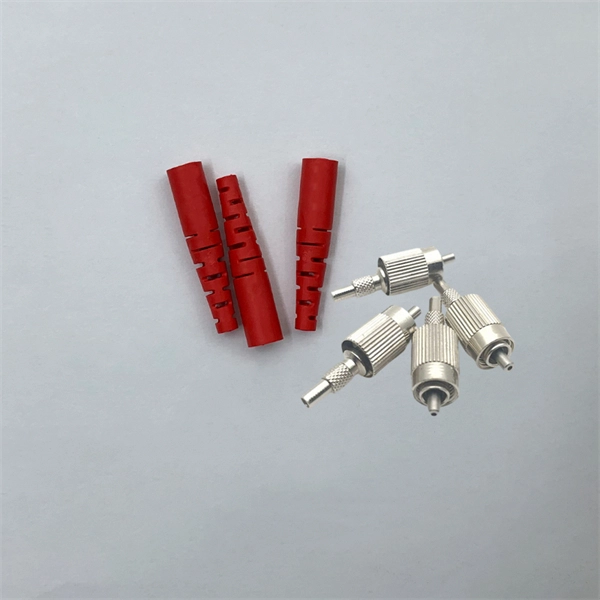
They are used to connect two fiber optic cables with different connectors or to change the connector type of a cable. In this article, we will discuss how to use fiber optic adapters, product selection, engineering applications, and precautions in use. Fiber optic adapters, also known as couplers, play a crucial role in fiber optic networks by providing a connection point between two fiber optic connectors. Using the wrong type or neglecting cleaning can lead to signal loss and unstable connections. In this guide, we'll explore what fiber optic adapters are, their main types, how to choose the. Fiber optic adapters play a critical role in ensuring stable and low-loss fiber connections. This guide covers adapter types, selection criteria, cleaning tips, FAQs, and B2B customization options to help businesses build reliable and scalable fiber networks. It ensures precise alignment between fibers and facilitates effective transmission of optical signals. Without the proper adapter, signals can degrade or become unstable, which can dramatically decrease the reliability of a network.
[PDF]

Fiber internet provides a higher-capacity connection to your home, which means your Wi-Fi network has more bandwidth to distribute among your devices. This results in faster wireless speeds and a smoother online experience. Although GFiber provides incredibly fast network speeds over wired devices, there are a number of situations to cause your network speeds to slow down. To boost your Internet speed, discover what disrupts or slows your Wi-Fi and wired connections. It acts as a gateway between your local network and the internet, directing traffic between devices and ensuring that data is transmitted efficiently. The type of internet service you have whether it's DSL, cable, fiber-optic, or satellite—can affect speed and reliability. Fiber-optic connections generally offer the fastest speeds and lowest latency. A gig fiber connection will provide around 1,000 Mbps download and 1,000 Mbps upload —but you won't always see those numbers if you run a speed check on your computer. On one hand, a high-quality router can improve network efficiency by optimizing data transmission, reducing congestion, and minimizing errors. On the other hand, a low-performance router or one. Just got Fiber installed, and down speed is phenomenal but I seem to be getting intermittent lag spikes that make things like gaming worse.
[PDF]
In this report, modeling and experimental results are presented for three fiber Bragg gratings that were fabricated in Newport F-SMF-28 fiber with the direct-write method. The model is based on coupled-mode theory assuming weakly guiding fibers. Optical sensors based on Fiber Bragg Gratings (FBG) are becoming increasingly popular. They are easy to install, immune to electromagnetic interferences and can also be used in highly explosive atmospheres. But just how does a fiber Bragg grating work? Our experts answer this and other questions. One of the particularly useful applications of a direct-write method is for the fabrication of fiber Bragg gratings (FBGs). The. The Bragg grating acts like a mirror which only reflects one very precise wavelength (colour). When the optical fibre is strained or when its temperature changes, the reflected wavelength varies proportionally. Different sensors manufactured using gratings with a specific wave length can be.
[PDF]

When switching to fiber internet, many users wonder if they're able to use their own router instead of the one provided by their internet service provider (ISP). In this guide, we'll explain router compatibility, setup steps and whether upgrading your router is necessary to maximize fiber speeds. Selecting a single router can be challenging, as there are most likely many that fit the requirements you want. We've done the research for you and put together this in-depth guide that lists multiple options, their details, reviews, and pros and cons. This should help you make an informed decision. Unlike cable internet, fiber connections do not require a cable modem. Instead, you simply plug a wireless router into the ONT provided by your ISP, set it up, and start using the internet. But if you're unsure which router to get, you're in the right place. Instead of using your old router, a high-performance Wi-Fi router designed for fiber optic internet will ensure you seamless streaming, online gaming, and remote work all. This article provides a comprehensive review and buying guide designed to assist in identifying the best routers for fiber internet. We will explore key performance metrics, essential features such as Wi-Fi standards and port configurations, and examine a range of router models optimized for fiber. Yes, you can often use your existing router with fiber optic internet, but there are crucial considerations. This guide will break down everything you.
[PDF]
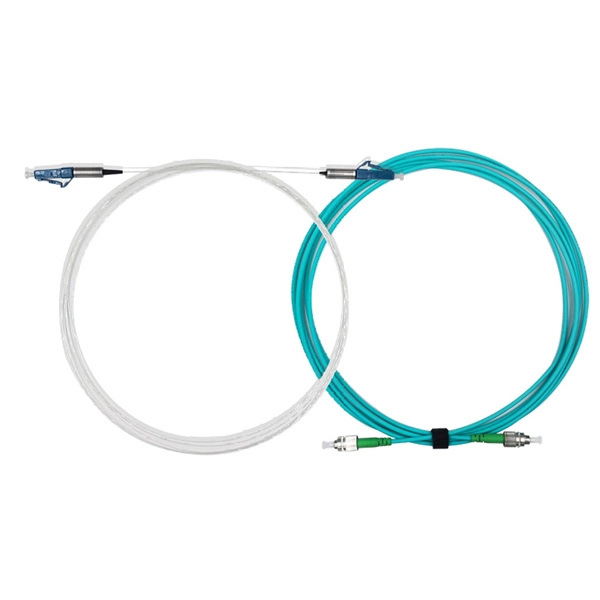
This guide covers the essential tools and step-by-step procedures for low-loss fiber optic cable repair. Fiber optic cables are the backbone of modern networks, delivering fast and reliable data transmission. Accidental cuts, breaks, or other damage can disrupt your network and cause costly downtime. With the right tools and techniques, you can efficiently repair damaged fiber cables and restore. While a cut or damaged fiber optic cable can temporarily take your network down, it is possible to quickly fix the cable with the right tools. This wikiHow article will teach you how to splice a cut fiber optic cable back together with a fiber optic stripper and cutter and a fiber optic crimper. This complete guide covers everything from identifying causes of failure to advanced repair techniques, drawing on the latest industry standards and innovations. Begin by identifying the damage, which can be done using an Optical Time Domain. When fiber cables sustain damage, specialized repair techniques help restore connectivity and maintain data integrity. The actual steps may vary depending on the cable and/or connectors.
[PDF]

Power cycling or restarting your ONT (Optical Network Terminal) often resolves simple troubleshooting internet issues. Use the table below to see expert-recommended first steps for fiber troubleshooting. Fiber optic networks are celebrated for their speed and reliability, but even the best systems can encounter problems. This guide will walk you through diagnosing and resolving common. Is your Brightspeed fiber internet not working? These steps can help resolve common fiber internet problems. In many cases, a fiber connection problem originates from one of the following. When your fiber optic network stops working, begin with a structured approach. First, check the basics—look for power issues on your optical network terminal and inspect all cables for visible damage. Many fiber internet problems come from dirty connectors or loose plugs, not major faults. These high-speed, high-capacity communication networks are increasingly replacing copper cables, offering superior performance and. Switch A is on the router end, devices connected to this switch get DHCP leases and can browse the internet without issue. Sign in to get your Wi-Fi details, check service status, test equipment speed, and more. Find your appointment using your order ID or internet account number. Check your bill, set up.
[PDF]
This guide provides CISOs and IT leaders with an in-depth look at network security architectures. Perimeter security is the first line of defense, protecting the network from external threats. It includes firewalls, intrusion prevention systems (IPS), and other security devices that control network traffic at the network's boundary. When effectively designed, network security reduces threats like unauthorized access and malware from impacting your network or. Network security architecture is a strategy that provides formal processes to design robust and secure networks. Effective implementation improves data throughput, system reliability, and overall security for any organization. It explains the key concepts in plain language, dives into the core components, shares a framework for. Microsoft Defender for Cloud provides cloud security posture management (CSPM) and cloud workload protection (CWP). It assesses your resources for security compliance, provides a secure score to track your posture, and offers threat protection across Azure, on-premises, and multicloud workloads. It encompasses hardware, software, policies, and procedures.
[PDF]

Security system integration is the process of combining security devices for surveillance, threat detection, and access control into a single, interconnected system. Securitas Technology provides integrated security system solutions for thousands of commercial buildings and corporate campuses in North America. Our. Security Systems and Integration Solutions | L3Harris® Fast. L3Harris' extensive expertise and knowledge supporting system integration is built upon a rich history in the defense, space, civil government and cybersecurity markets with exceptional past performance in security and. Security isn't just about adding more systems — it's about making them work together. We've spent decades addressing. Integrating security systems consists of connecting different technologies (such as CCTV cameras, presence sensors, alarms, access control, remote gates, lighting and app monitoring) so that they work in a coordinated way, sharing data and responding automatically to events. Look Beyond. Get secure operations, seamless scaling, and expert-led Microsoft Copilot Implementation and 24/7 Managed SOC Services. Your business deserves IT that just works. We offer guaranteed outcomes: high reliability, minimal downtime, and strategic maintenance. We free your internal teams to focus purely.
[PDF]
The main types of network security devices include firewalls, intrusion protection systems (IPS), unified threat management (UTM) systems, network access control (NAC), email security gateways, web application firewalls (WAF), and VPN gateways. Network security involves tools, techniques, and policies to protect digital assets from unauthorized access and cyber threats. It combines hardware, software, and expert resources to ensure network integrity and prevent breaches. A key strategy in network security is the multi-layered defense. Network Security devices are typically physical or virtualized hardware appliances, with vendor specific software installed. Firewalls Firewalls act as the first line of defense in network security. These devices act as barriers between the internal network and potential threats from the outside world. Whether you're a business owner or an IT professional, understanding the. A Growing Attack Surface: Every connected device; laptops, servers, IoT devices, peripherals, and physical access points represents an entry vector attackers can exploit. Diverse Threat Actors: From opportunistic hackers and organized crime groups to nation-state actors and insider threats. Network security devices are essential for protecting your network from cyber threats.
[PDF]
This comprehensive guide will explore the importance and benefits of this integration, provide an understanding of fiber optic cable and Ethernet ports, discuss their compatibility, and offer a step-by-step process for connecting them. Proper connection of fiber optic cables is essential to harness these benefits fully, as even minor errors can lead to significant performance issues like signal loss. This article will guide you through the necessary tools, materials, and methods on how to connect fiber optic cables effectively. But here's the thing: how you connect fiber optic cable really matters. A shaky connection means weaker signals, dropped streaming, or slow uploads. Get the hookup right, and you'll enjoy streaming, gaming, and video calls without interruptions. Fiber optic cables need careful handling. Unlike. The process to connect fiber optic cable to router requires careful attention to detail, but I'll walk you through every critical step with the precision and clarity you deserve. Why Use Fiber Optic Internet? Before diving into the setup, let's quickly recap why fiber optics are worth the effort: Lightning-fast speeds (up to 1 Gbps or higher). Low latency for. Connecting a fiber optic cable to an Ethernet network involves a few key steps and requires some specific hardware to ensure a seamless transition between these two different types of network mediums.
[PDF]

Fiber optic couplers, also known as fiber optic splitters, are devices used to split or combine optical signals in fiber optic networks. They play a crucial role in various applications, such as telecommunications, data centers, and fiber-to-the-home (FTTH) installations. Whether you're planning an FTTH deployment, upgrading a data center, or working in telecom infrastructure, this guide will help you make informed decisions when choosing fiber connectors. What Are Fiber Connectors? What Are Fiber Connectors? A fiber optic connector is a mechanical device used to. This tab provides a brief explanation of how we determine several key specifications for our 1x2 couplers. In this comprehensive. Fiber optic coupler is one type of fiber optic component that allows for the redistribution of optical signals. A fiber optic coupler is a device that can distribute the optical signal. Fiber optic couplers are a critical element in the landscape of modern telecommunications and data networks. This article explores the function, types, and applications of fiber. Compared to Copper cables, Fiber connector types are incredibly varied. Where copper twisted pairs tend to terminate with an RJ45 plug, fiber optic connectors come in all sorts of shapes and sizes, with all manner of different use cases in mind.
[PDF]
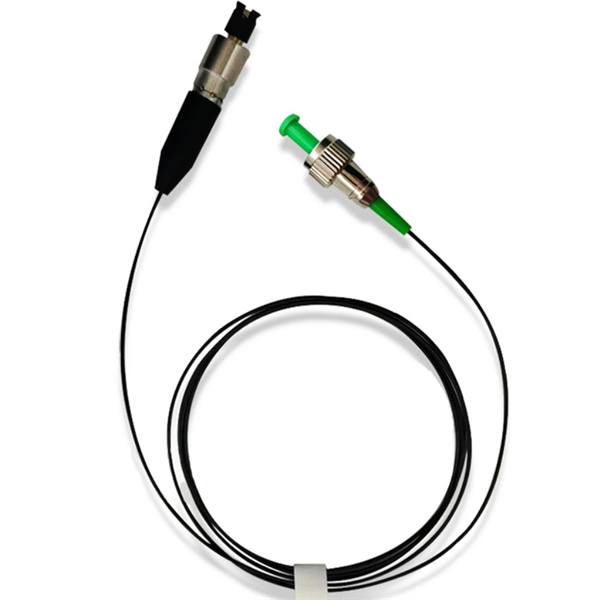
As light in fibers often does not have a well defined polarization state, it is important that a fiber-optic attenuator exhibits only a minimum amount of polarization dependence. Generally, the obtained insertion loss has some dependence on the optical wavelength. Some attenuators have a relatively strong wavelength dependence and are made for working in narrow wavelength regions, e.g. with a bandwidth of only 20 nm around a center wavelength of 1550 nm. Others are optimized for a weaker wavelength dependence, making them u. For single-mode devices, the insertion loss can not depend on the direction of propagation, as long as no non-reciprocal parts are used, as e.g. in a Faraday isolator. For multimode devices, however, some loss difference is possible in conjunction with a mode dependence. For many applications, it will not be a problem if the obtained insertion loss slightly deviates from the specification (e.g. by 1 dB), or if it slightly changes over time. Example cases, however, one may require a higher precision. Most fiber-optic attenuators exhibit a relatively high return loss (at least several dozens of decibels), i.e., there is not much light which is reflected back into the input fiber. For some sensitive applications, e.g. when using an attenuator before or after a high-gain fiber amplifier, one may have two use attenuators with particularly high retu.
[PDF]
