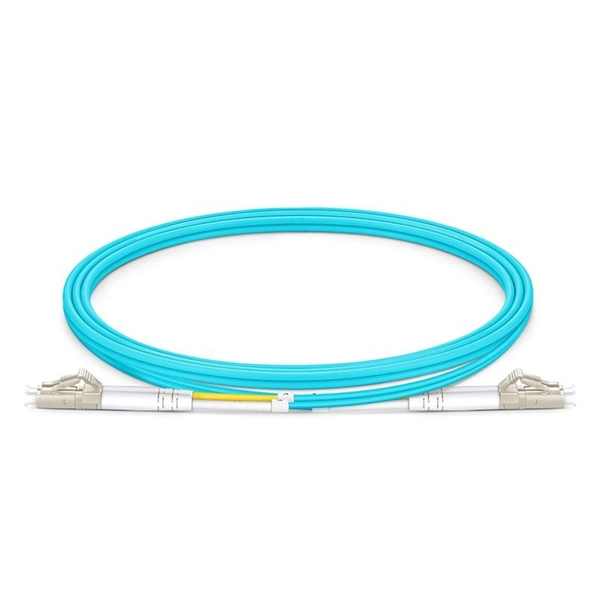
This article will give you an overview of the use cases for fiber-optic networking, some of the terms used in fiber networking, and suggestions for setting up a fiber network. Once you understand the basic concepts, you can check out my Recommended Equipment section toward. Fiber tapping is a network tap method that extracts signal from an optical fiber without breaking the connection. Tapping of optical fiber entails diverting some of the signal being transmitted in the core of the fiber into another fiber or a detector. Fiber to the home (FTTH) systems use beam. Optical fiber is a technology used to transmit data by sending short light pulses along a long fiber, which is typically made of glass or plastic. In optical fiber communication, metal wires are preferred for transmission because the signals travel more safely. Optical fibers are also resistant to. Photo: Light pipe: fiber optics means sending light beams down thin strands of plastic or glass by making them bounce repeatedly off the walls. This is a simulated image. Note that in some countries, including the UK, fiber optics is spelled "fibre optics. " If you're looking for information online. This manual covers everything about fiber optic cables, how they work, where they are used, and what is new in this area of technology. The choice of fiber optic cable depends on the specific needs of the application, as well as the.
[PDF]
These electrical signals need to be converted into optical signals before being sent over long distances. This conversion is done using a device called a transceiver. These light pulses are then sent through the fiber. Fiber-optic communication is a form of optical communication for transmitting information from one place to another by sending pulses of infrared or visible light through an optical fiber. The light is a form of carrier wave that is modulated to carry information. Fiber is preferred. A small form-factor pluggable, or SFP optic module, helps connect network devices fast. It also changes optical signals back into electrical signals. This lets you send data far away. SFP modules work in many network. Optical fiber is the carrier for optical signal transmission.
[PDF]

This article provides a detailed technical comparison between fiber optic and copper cables, offering a clear perspective for engineers, network architects, and procurement managers. The core distinction between the two technologies lies in the physics of data. However, the exponential growth in data demand has positioned fiber optic technology as the superior alternative for performance, scalability, and future-readiness., 10G/25G/40G/100G and beyond depending on optics and reach). Copper Ethernet scales too, but practical limits are lower and depend. The two main options are fiber optic cables and copper cables, each with its own advantages and drawbacks. Fiber optic cables are praised for their high performance and scalability, while copper cables remain a cost-effective choice, especially for budget-conscious projects and older systems. Copper wire is more susceptible to interference and has limited data capacity, making optical fiber the preferred choice for modern high-speed. Optical connectivity, utilizing fiber-optic technology, has emerged as the superior choice for modern networking, offering unparalleled performance, reliability, and scalability. For example, a typical 10 Gbps copper Ethernet link (such as Cat 6A) over 100 meters can consume approximately 5 to 8+.
[PDF]
In this comprehensive guide, we'll walk through the best practices for installing various types of fiber optic cable, from patch cords to distribution fiber, and provide practical tips to ensure a successful installation. This article will guide you through the necessary tools, materials, and methods on how to connect fiber optic cables effectively, ensuring you achieve optimal performance from your fiber optic network. Have a network installation project? Fiber Optic Cables: The primary medium for your connections. Fiber optic cable is a type of cable that contains one or more optical fibers—thin, flexible strands of glass or plastic that are designed to transmit light signals. These cables are used for transmitting data over long distances with high bandwidth and low signal loss. Before connecting any fiber cable, you need to assemble the proper preparation tools: With the right tools in hand, follow these key steps to achieve reliable fiber connections: 1. The number one cause of signal loss in optical fiber installations is dirt on. In this video, we'll guide you through preparing and terminating fiber optic cables using SimplyFiber products, known for their high quality, ease of use, and reliability. more Audio tracks for some languages were automatically generated. Why Opt for Fiber Optics? Fiber optic cables have skyrocketed in.
[PDF]
Steel tape armored (STA) fiber optic cable is a reinforced cable structure designed for underground environments where mechanical protection is critical. This cable design is commonly installed inside underground ducts or conduits where fiber cables require protection from external pressure and environmental conditions. GYTS. nded water-blocking tape and corrugated, laminated steel tape. The cable features steel wire strength mem member with water swellable threads and water swellable tape. Helically applied wa erblocking e-glass non metallic strength members with ripcord. Corrugated Steel Tape (CST) armouring and. ape Armored Cables is a central tube cable using optical fibres presented in loose tube and surrounded by Steel Tape armor. To protect the optical fibres from water ingress, the tube is filled with a thix tropic gel, and is enclosed in a thermoplastic sheath. The cables have embedded strength. ESCAB GYTY133 - fiber cable is stranded loose tube structure with steel tape double sheaths, the loose tube stranding technology make the fibers have good secondary excess length and allow the fibers free movement in the tube, which keeps the fiber stress-free while the cable is subjected to. Corrugated steel tape armored fiber optic cables are engineered for durability and performance in demanding environments. These cables combine optical transmission efficiency with robust mechanical protection, making them ideal for outdoor, underground, and industrial installations.
[PDF]
In this guide, you will find a chronological description of the fusion splicing process, the principal technical standards, and answers to the real-life questions network engineers and procurement teams may have. 📦 For purchasing, use the RP Photonics Buyer's Guide for fusion splicers. It provides an expert-curated supplier directory, buyer-focused technical background information, and structured selection criteria to support professional procurement decisions. This article explains the principle of fusion. Fusion splicers play a crucial role in the field of optical fibre communications by enabling the permanent bonding of two strands of glass fibre to create a continuous pathway for light to travel through. This process is achieved through precise alignment and fusion of the fibre ends using an. Fusion splicing is the process of fusing or welding two fibers together usually by an electric arc. Fusion splicing is the most widely used method of splicing as it provides for the lowest loss and least reflectance, as well as providing the strongest and most reliable joint between two fibers. Each splicer is equipped with a cleaver and stripper, conveniently includes in a single case. The goal is to align the microscopic glass cores (typically.
[PDF]

MUSCAT: The Royal Oman Police (ROP) has reported a disruption to internet services in parts of South Al Sharqiyah Governorate after fibre optic cables belonging to a telecommunications provider were accidentally cut during construction work in the Wilayat of Sur. Royal Oman Police say repair work underway; services expected to be restored within hours. ROP said in a statement: "The Royal Oman Police announces a disruption in fiber optic connections belonging to a telecommunications. Microsoft said in a status update that the Middle East "may experience increased latency due to undersea fibre cuts in the Red Sea," but gave no other details. Fibre optic cables on the ocean Floor. File pic: iStock Internet access in parts of Asia and the Middle East was disrupted after undersea. „Oman Fiber Optic always offers great service with quality product. They have very good technical sales team and logistics team and are always available for support. „ „Professional supportive sales team with excellent material quality leading to a great service!„ Technology Integration on time. Sur – Royal Oman Police (ROP) has announced a significant disruption to their digital services within the South Sharqiyah Governorate following an accidental severance of fibre optic cables. The technical failure occurred in the Wilayat of Sur, where ongoing construction activities inadvertently.
[PDF]
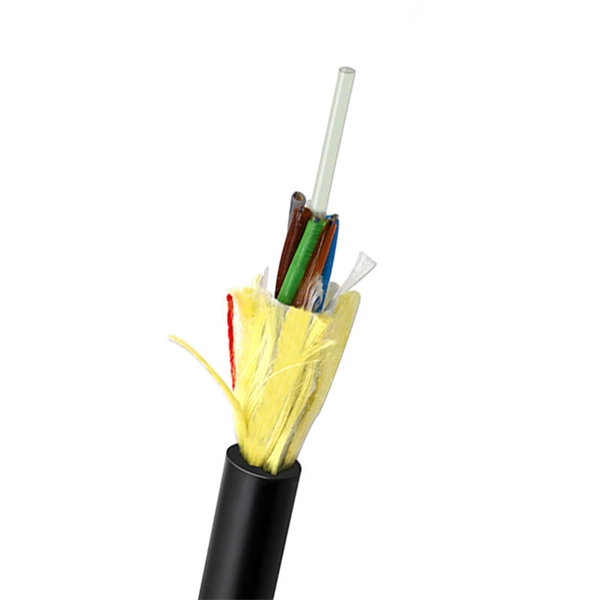
Browse 526 fibre optic cable laying photos and images available, or start a new search to explore more photos and images. Woman digging a sewer trench in the. 2,794 fiber optic pipe stock photos, vectors, and illustrations are available royalty-free for download. Red cables lie inside a deep earthen trench at a work site. An internet technician is repairing or maintaining a fiber optic connection by opening a fiber optic connector. Fiber optic cable for fast internet, Electricity and telephone cable under a sidewalk in the city. Two workers laying internet cable. RM 2JCBWYK – Fibre optics super fast broadband infrastructure project in rural Essex village cables on drums for laying in new shallow pavement trenches England UK RM 2SJNTYH – Empty conduits for fibre optic cables, protective conduit in orange, containing the empty conduits for the actual fibre. Browse 512 fibre optic cable laying photos and images available, or search for fibre optic broadband to find more great photos and pictures. Two workers. Search among 731 authentic fiber optic laying stock photos, high-definition images, and pictures, or look at other high speed or fiber optic stock images to enhance your presentation with the perfect visual. Road works and fiber optic cables. A road or construction site. A plastic fence with red.
[PDF]

Scattering accounts for the greatest amount of attenuation in a fiber cable, between 95 and 97 percent. Light traveling through the fiber interacts with the densities as shown in the light and is then partially scattered in all directions. Fiber optic cables have many advantages, but one of the downsides just like with copper cable, is that it can experience what is called attenuation. Attenuation refers to the loss of light as it travels down the fiber. This can be due to a variety of factors: scattering and absorption, intrinsic. This attenuation is inevitable, so the smaller the attenuation value, the longer the transmission distance of the same optical power. The better the quality of this fiber patch cable. It indicates the amount of signal reflected back. At TREND Networks, we are frequently asked how much loss is allowed when conducting testing on fiber optic cabling. Unfortunately, it is not a simple answer and depends on several factors. So how do you determine acceptable loss? When testing fiber optic cabling, determining acceptable loss is. Understanding fiber loss is vital in maintaining a reliable, efficient network. Understanding it is crucial for anyone involved in data centers, telecommunications, or enterprise networking. Here are the details and instructions about each field and how they contribute to the calculation: 1. Attenuation Coefficient (dB/km): This value represents the inherent signal loss per kilometer of.
[PDF]
In the single mode vs. multimode fiber debate, there is not one cable that's the best, but there are some that are better suited to certain situations. If you need to run fiber optic cable over a vast distance, there's.
[PDF]
Single mode and multimode fiber optic cables are two different types of fiber optic cable aimed at different use cases. Single mode cables are typically made with a single strand of glass at their core, leading to a n.
[PDF]

Mode conditioning cables serve as effective solutions for enabling gigabit Ethernet transmission over existing multimode fiber optic networks. Operating at 1300nm, they are specifically engineered to mitigate modal dispersion. This page lists all of our OM1 and OM2 fiber optic mode conditioning patch cable products. If you try to connect multi mode to single mode fiber patch cables without mode conditioning. FS offers OM1 & OM2 mode conditioning fiber optic patch cables (MCP) in any connector & cable length, optimal for eliminating differential mode delay effects. We offer Mode Conditioning cables in all varieties and combinations of SC, ST, MT-RJ and LC in. The LightWave Mode Conditionig LC-LC Multimode OM1/Singlemode OS2 Fiber Optic Patch Cable is a Optical Mode Conditioning cable that incorporates Multimode 62. 5/125 and Singlemode 9/125 glass to allow a Singlemode Transiever to communicate to a Multimode Tranceiver. These cables are constructed with a centerline offset splice. Mode Conditioning Patch cords are used to connect multimode fiber plants that use transceiver modules. They are needed because transceiver modules use a single mode launch condition even when they are being used with multimode fiber. These cables are easily installed without any additional fiber.
[PDF]
The fiber connector types, sometimes referred to as terminations, link fiber optic cables together through terminals, switches, adapters, and patch panels, by bridging the gap between their internal glass fi.
[PDF]