A cold aisle is a cooling strategy where the fronts of server racks face each other, creating a dedicated pathway for cool air from the cooling systems to flow directly into the equipment. This configuration minimizes the mixing of hot and cold air, ensuring consistent airflow and. The hot aisle /cold aisle data center layout was originated by IBM in 1992 and it is one of the oldest ways to save energy in the data center. Cold. Hot aisle and cold aisle containment are foundational concepts in data center design. When implemented correctly, they improve efficiency, reduce energy consumption, extend equipment life, and enhance overall reliability. In this guide, we'll break down how hot aisle and cold aisle configurations. The segmentation of data centers and server rooms into alternating cold and hot aisles has been embraced globally over recent years. The cold and hot aisle arrangements in data centers are part of an energy-conservative layout for server racks and other information technology equipment. Containment. Why should the computer room design hot and cold aisles, design principles and how to construct? Why should the computer room design hot and cold aisles? Because the computer room uses the hot aisle and cold aisle to change the previous practice of placing the cabinets in the same direction in the. Hot and cold aisle containment is a proven strategy to optimize airflow, reduce energy costs, and improve cooling efficiency. Whether you need cold aisle.
[PDF]

The proper installation of a distribution box involves placing it at the right height to ensure safety and convenience. 7 meters) high makes it easily accessible without the need to bend or stretch excessively. (1) Elevator driving machines, motor generator sets, controllers, and auxiliary control equipment shall be installed in a room or enclosure set aside for that purpose. This height also safeguards the box from potential. The work space shall be clear and extend from the grade, floor or platform to a height of 6 1 / 2 feet or the height of the equipment, whichever is greater. The electrical equipment itself may have a height that is less than 6 1 / 2 feet, but if it is mounted so the top of the equipment is higher. Overcurrent devices and disconnects must be located in machine or control spaces, be lockable and provide a single means to disconnect ungrounded conductors, with selective coordination for multi-elevator feeders. Conductor and wireway fill, approved flexible traveling cables and secure supports. Choose the right box based on environment (indoor/outdoor), load capacity, and durability. Check for proper IP/NEMA ratings and material quality. Ensure safe placement: install in dry, accessible areas with good ventilation and at appropriate height (typically ~1. Practice good wiring: secure.
[PDF]
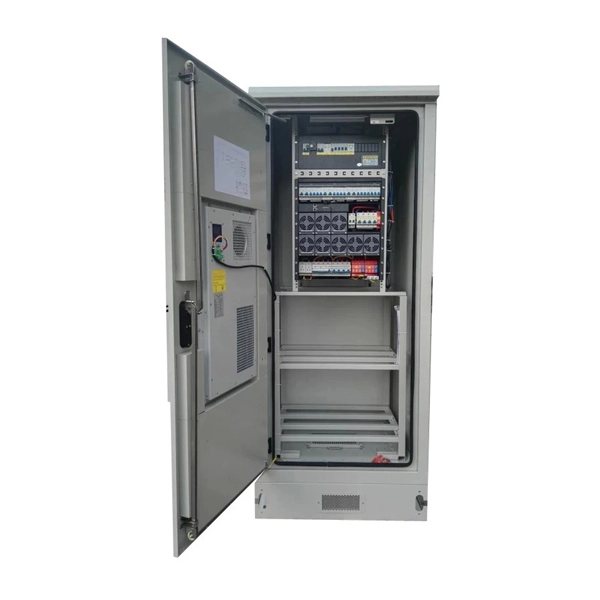
Cool Shield™ containment offers state-of-the-art hot and cold aisle containment solutions designed to maximize data center efficiency while significantly reducing power consumption. In 2024, Worthington Armstrong Venture (WAVE), a joint venture between Armstrong World Industries, Inc. and. Cold aisle containment creates an enclosed corridor in front of server cabinets, ensuring that the coldest air goes directly into equipment intakes. By isolating the cold aisle, containment reduces unintended mixing of cold supply air with hot exhaust air, maintaining uniform, predictable. TRAX hot aisle / cold aisle data center curtains are the industry leading low cost containment solutions. Increase cooling efficiency while measurably lowering energy costs with data center containment solutions by TRAX. Click the button bellow to request a quote or call us directly. Why choose. Aisle containment ceilings, walls and end of row doors are designed to help maintain optimal operating temperature in server rooms and data centres in order to lower data centre energy demands and save on energy costs.
[PDF]

Design requirements for low voltage distribution boxes cover NEC, IEC, and safety standards to ensure reliable, compliant electrical installations. You must make safety your top priority when working with low voltage distribution boxes. The following requirements apply to all boxes shipped to Amazon fulfillment centers whether by small parcel delivery, less than truckload (LTL), or full truckload (FTL) shipping. Some shipments have additional requirements: Download our Shipment checklist (PDF). It helps organize, protect, and control electrical connections in residential, commercial, and industrial electrical systems. Distribution. Containers that are contaminated should be removed based upon the cleanliness requirements of the storage area. The Joint Commission recommends. Effective April 5, 2012, the Postal Service™ will revise Postal Operations Manual (POM) subchapters 61, 63, 64, and 65 in selected subsections to provide updated and revised information and procedures regarding modes of delivery and delivery equipment. The POM sets forth the policies, regulations. Home About Us CMMC What's New FAQs Contact Us Component POCs Distribution Statement A. Approved for public release: distribution is unlimited. Scientific or technical information resulting from contracted fundamental research efforts will normally be assigned Distribution Statement A, except for.
[PDF]
After reading this article, you should have learned about: ♦ The meanings of definitions for control room and control space versus machine room ♦ The purpose and specifications for working spaces ♦ I.
[PDF]

Call Boxes are to be located no higher than 48” front reach or 54” side reach to the center of the button above ground level. Call Boxes must include braille identifying the unit as an “Emergency Phone”. An elevator electrical wiring diagram is a visual representation of the electrical connections and components of an elevator system. This diagram is essential. An elevator is a complex mechanical and electrical system that requires careful construction and precise wiring to ensure safe and efficient operation. The wiring. The purpose of this T/C is to clarify wiring that is permitted to be located in an elevator hoistway, machine/control room, or control space/room. Call Commander(s) shall be connected to designated ports on the Distribution Module. cabling used shall be RATH® Cable RP7500094B or. In Oregon, Raceways and conduits for the connection of elevator devices shall only enter the machine room to the extent necessary to connect the devices attached thereto. 37 covers wiring in hoistways, machine rooms, control rooms, machinery spaces, and control spaces related to the. Eaton's Elevator Control panelboards provide electric power distribution with integrated fusible switches, metering, and surge protection. Additionally, they're designed to meet UL 67 and NEMA PB1 standards for use in data centers, industrial, commercial and healthcare facilities.
[PDF]